Texto mensaje
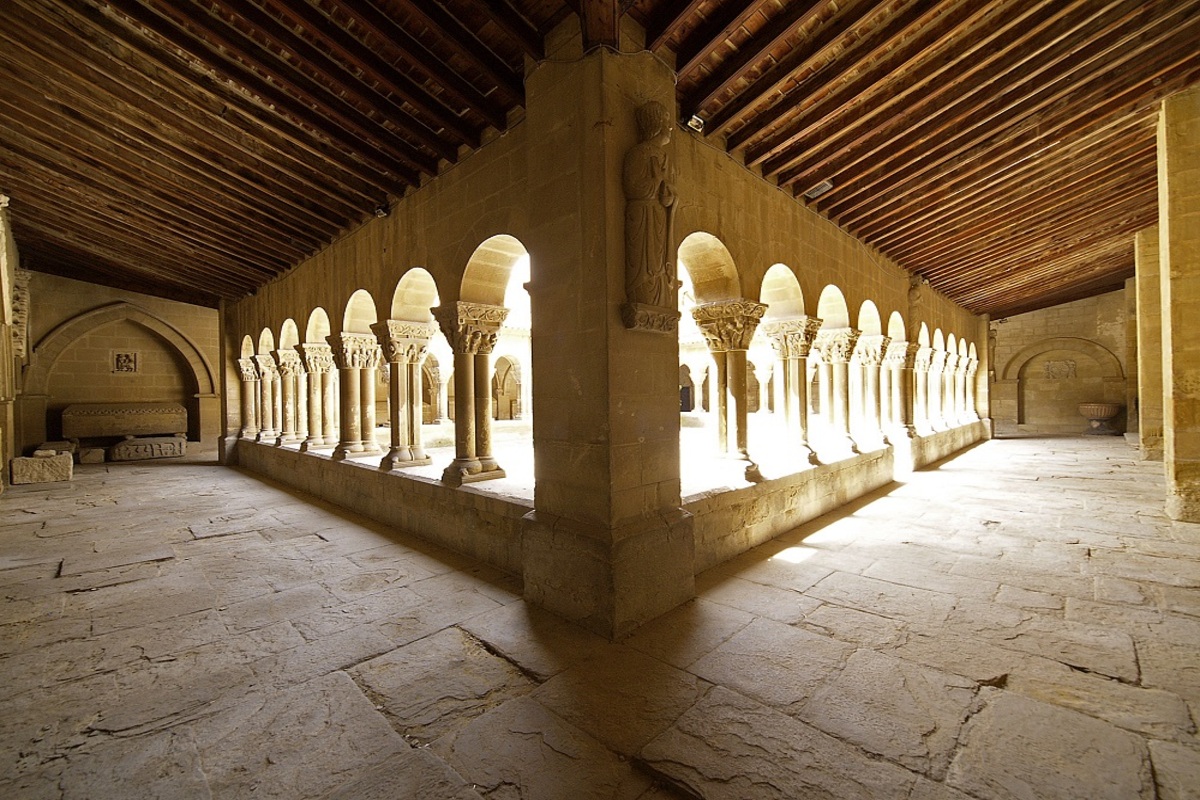
Iglesia de San Pedro el Viejo: Iglesia de San Pedro el Viejo is one of the most important Romanesque churches in Aragón. It was built in the 12th century by the Benedictine order on the site of an ancient Mozarabic monastery, after the Christian conquest of Huesca in 1096. Its Romanesque architecture stands out for the sobriety of its forms, its cloister with historiated capitals and its Lombard-inspired bell tower. Inside are the tombs of two kings of Aragón: Alfonso I el Batallador and Ramiro II el Monje. The monastic complex also preserves a remarkably well-conserved cloister, considered one of the jewels of Aragonese Romanesque art.
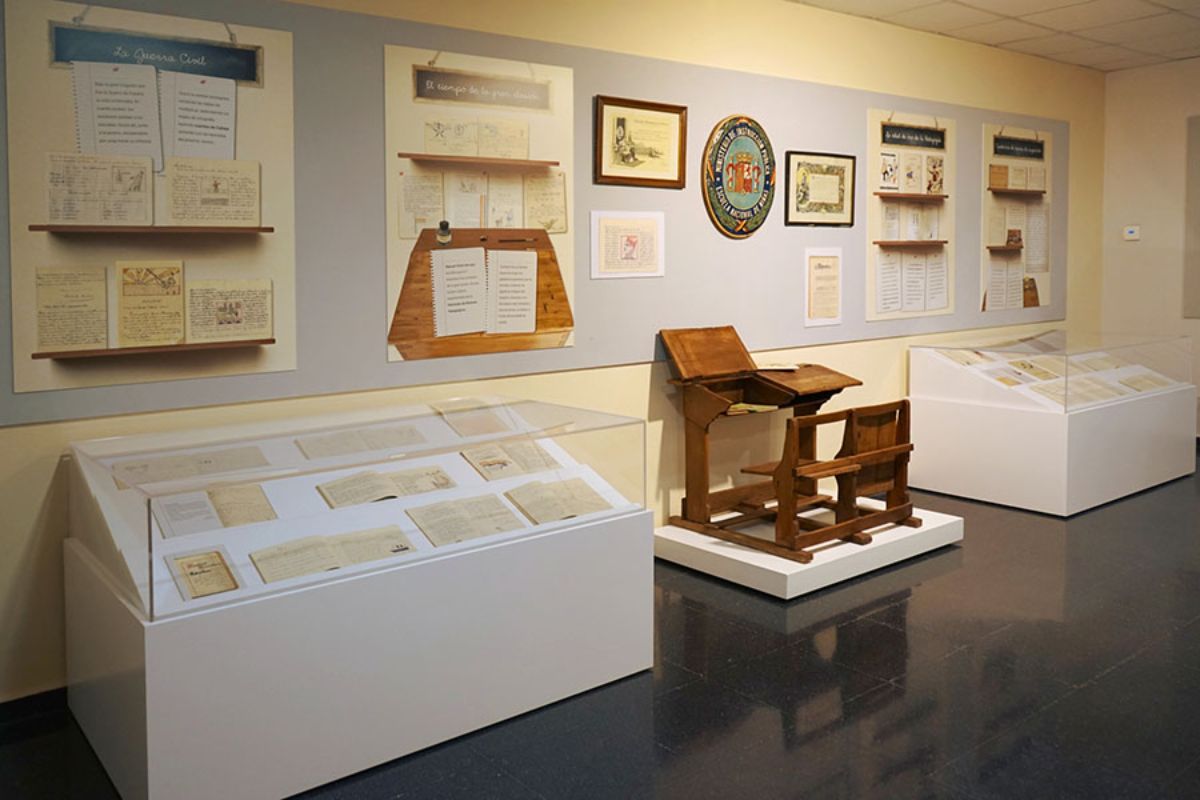
Museo Pedagógico: Museo Pedagógico de Aragón, located in Plaza Luis López Allué in Huesca, is a space dedicated to preserving and sharing the memory of education in Aragón. Its exhibition allows visitors to discover how schools, teaching methods, the role of the teacher and the understanding of childhood have changed over time. Throughout its rooms, visitors can see school furniture, books, notebooks, maps, toys, teaching materials and other objects that were part of everyday classroom life. The museum recreates different educational settings, from the traditional school of the early 20th century to pedagogical models linked to new forms of learning.
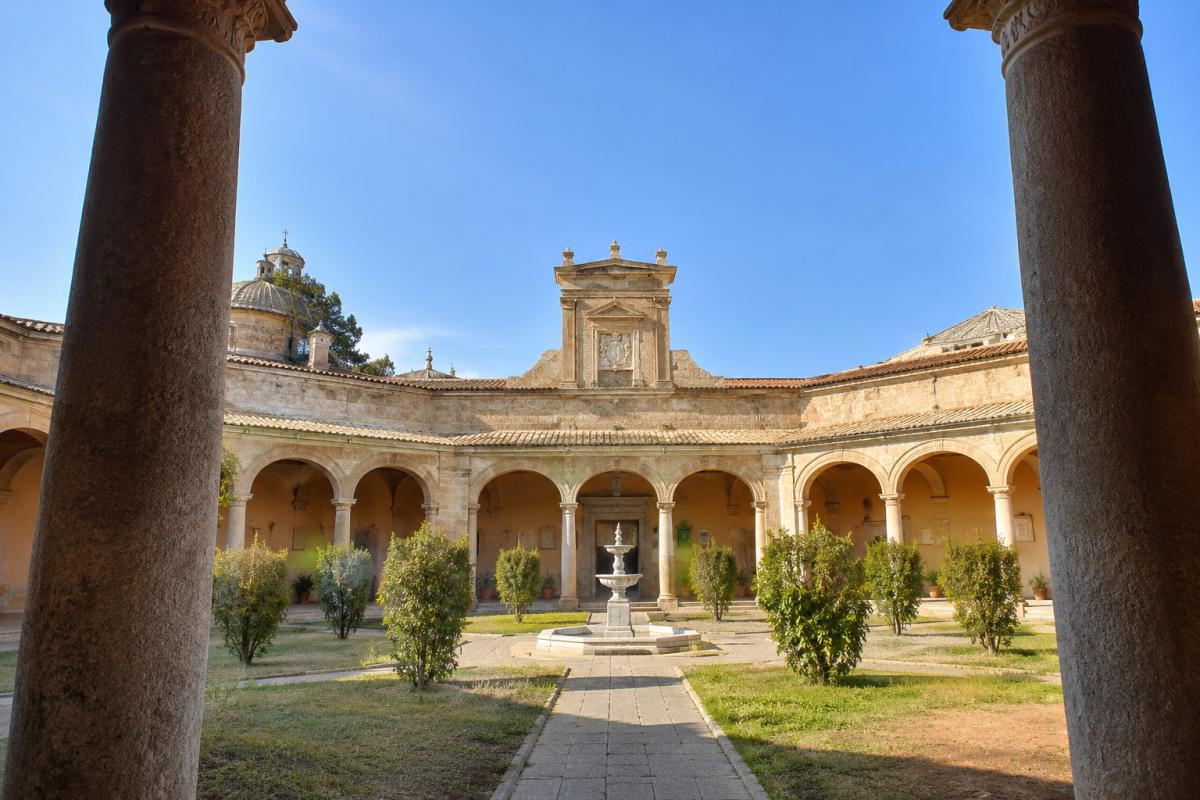
Museo Provincial: Museo de Huesca is located in the former Palace of the Kings of Aragón and in part of the historic Sertorian University. Its origins date back to the 19th century, although the current building combines medieval, Renaissance and Baroque elements. The museum houses important collections of archaeology and fine arts that trace the history of the province from Prehistory to the Contemporary Age. One of its most emblematic spaces is the room known as the “Campana de Huesca”, linked to the famous medieval legend of King Ramiro II.
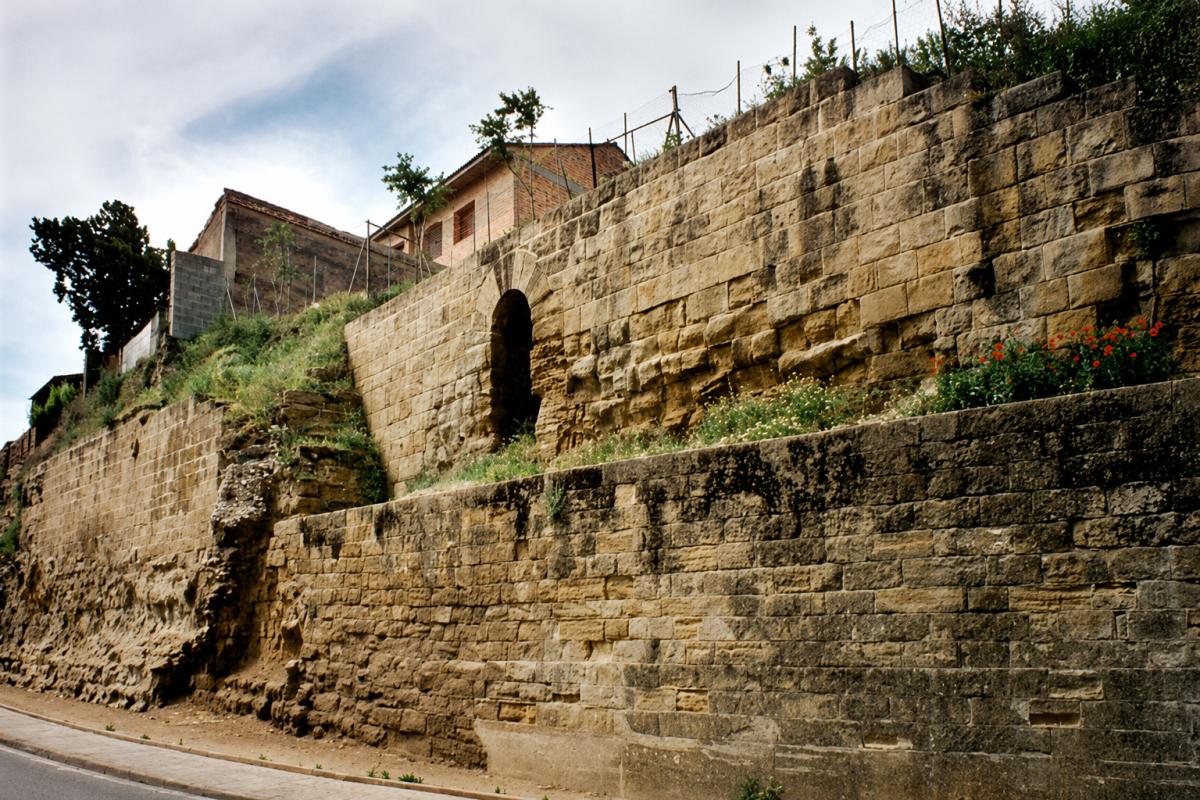
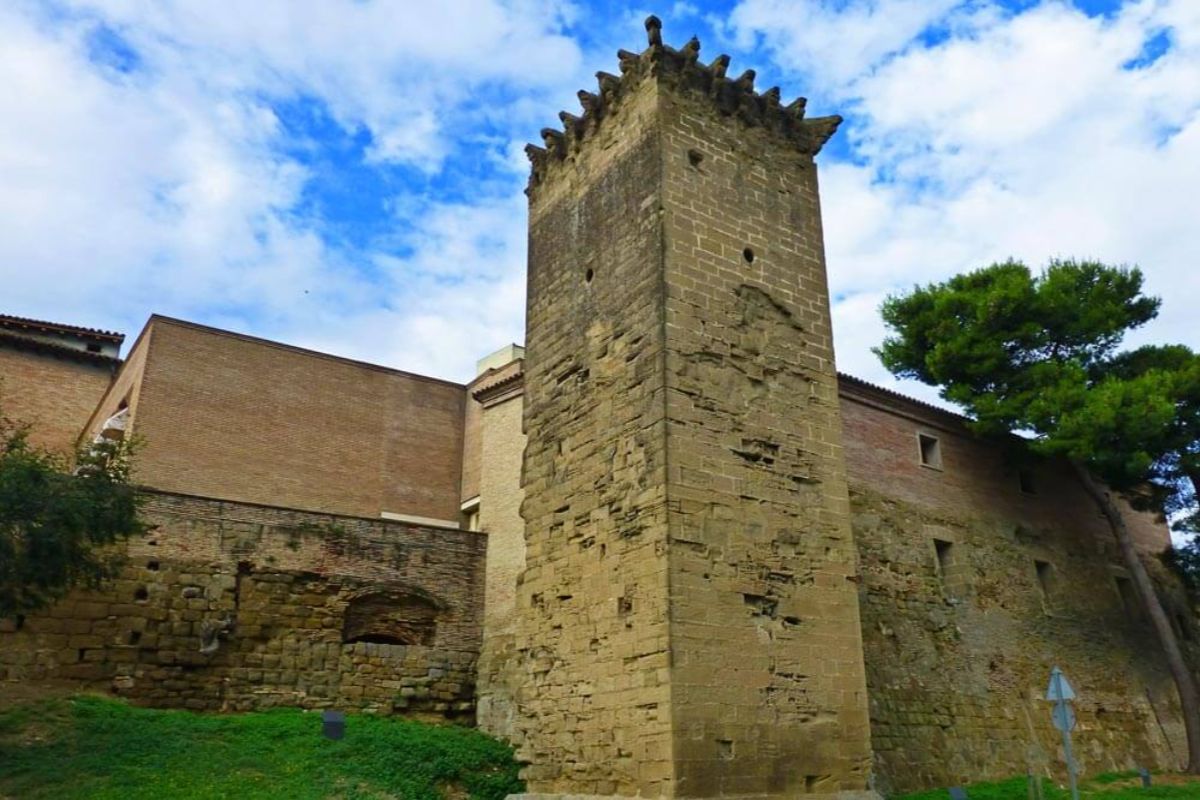
Muralla de Huesca: Muralla de Huesca has Muslim origins and was built between the 9th and 10th centuries, when the city was part of Al-Andalus under the name of Wasqa. It completely surrounded the urban centre with a perimeter of more than two kilometres and nearly one hundred defensive towers, making it one of the most important fortifications in the northern Iberian Peninsula. After the Christian conquest of Huesca in 1096 by King Pedro I of Aragón, the wall was extended and renovated with Romanesque and medieval elements to adapt it to new defensive needs.
Torreón del Amparo: Torreón del Amparo is the last preserved remains of the ancient Muslim wall of Huesca, built in the 9th century. The wall once had nearly 99 defensive towers and a perimeter of more than two kilometres, making Huesca one of the most important fortified sites in the north of Al-Andalus. Torreón del Amparo, also known as Torreón del Septentrión, is the only one still standing today. Its function was to watch over the northern access to the city and protect the area around the River Isuela and Iglesia de San Miguel.