Título mensaje
Iglesia de Santo Domingo, Museo Provincial, Catedral, Museo Diocesano, Ayuntamiento, San Pedro y San Lorenzo
Texto mensaje
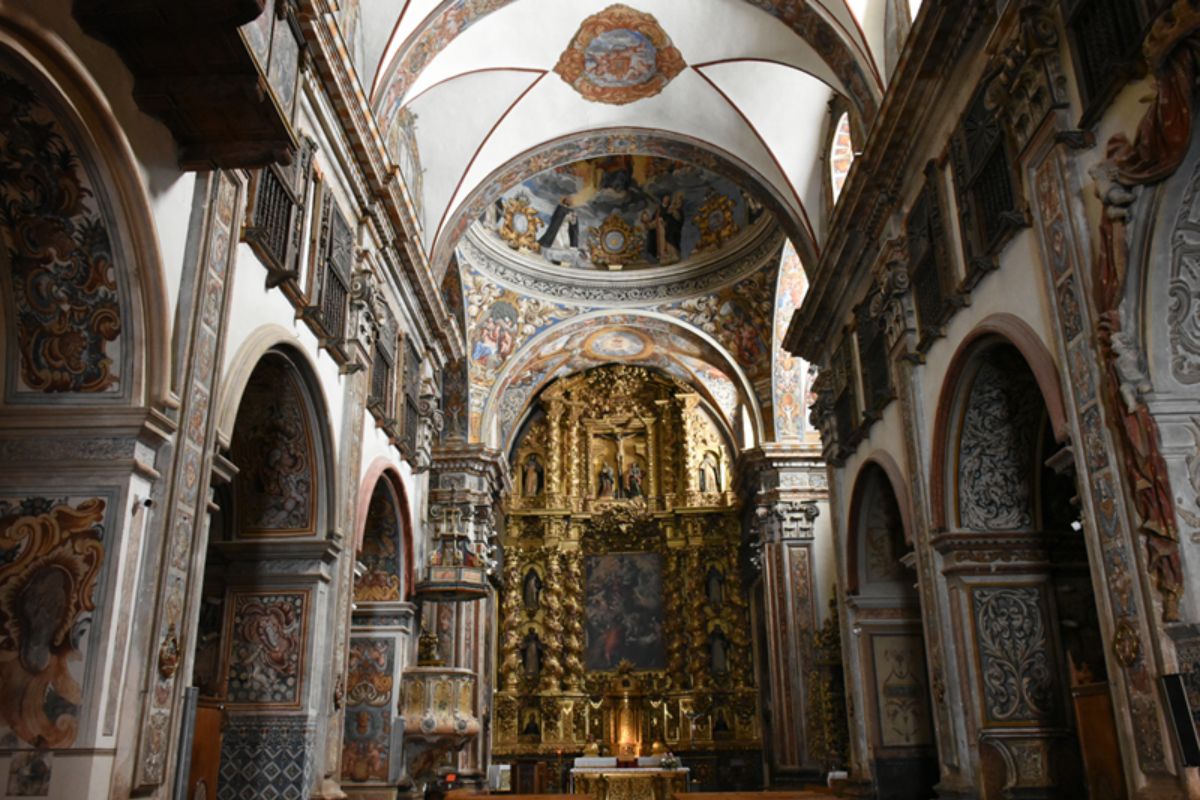
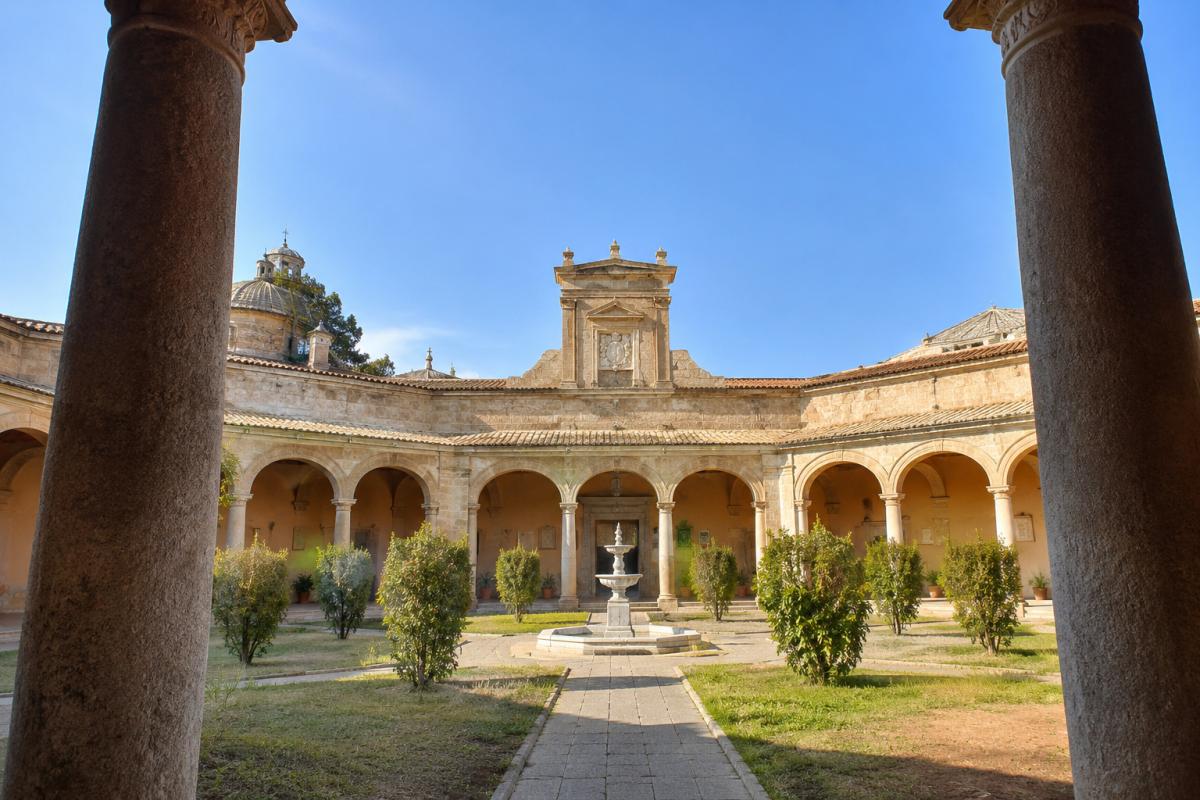
Iglesia y Convento de Santo Domingo: Iglesia y Convento de Santo Domingo is a religious complex founded by the Dominican order in the 13th century and considered one of the most important historic sites in Huesca. The current building combines Gothic, Renaissance and Baroque elements. The church stands out for its elegant nave, side chapels and large main altarpiece, as well as for preserving important artistic and funerary works linked to noble families of the city. The former convent had great cultural and religious importance during the Middle Ages and the Early Modern period, serving as a centre of study and preaching for the Dominicans in Aragón.
Museo Provincial: Museo de Huesca is located in the former Palace of the Kings of Aragón and in part of the historic Sertorian University. Its origins date back to the 19th century, although the current building combines medieval, Renaissance and Baroque elements. The museum houses important collections of archaeology and fine arts that trace the history of the province from Prehistory to the Contemporary Age. One of its most emblematic spaces is the room known as the “Campana de Huesca”, linked to the famous medieval legend of King Ramiro II.
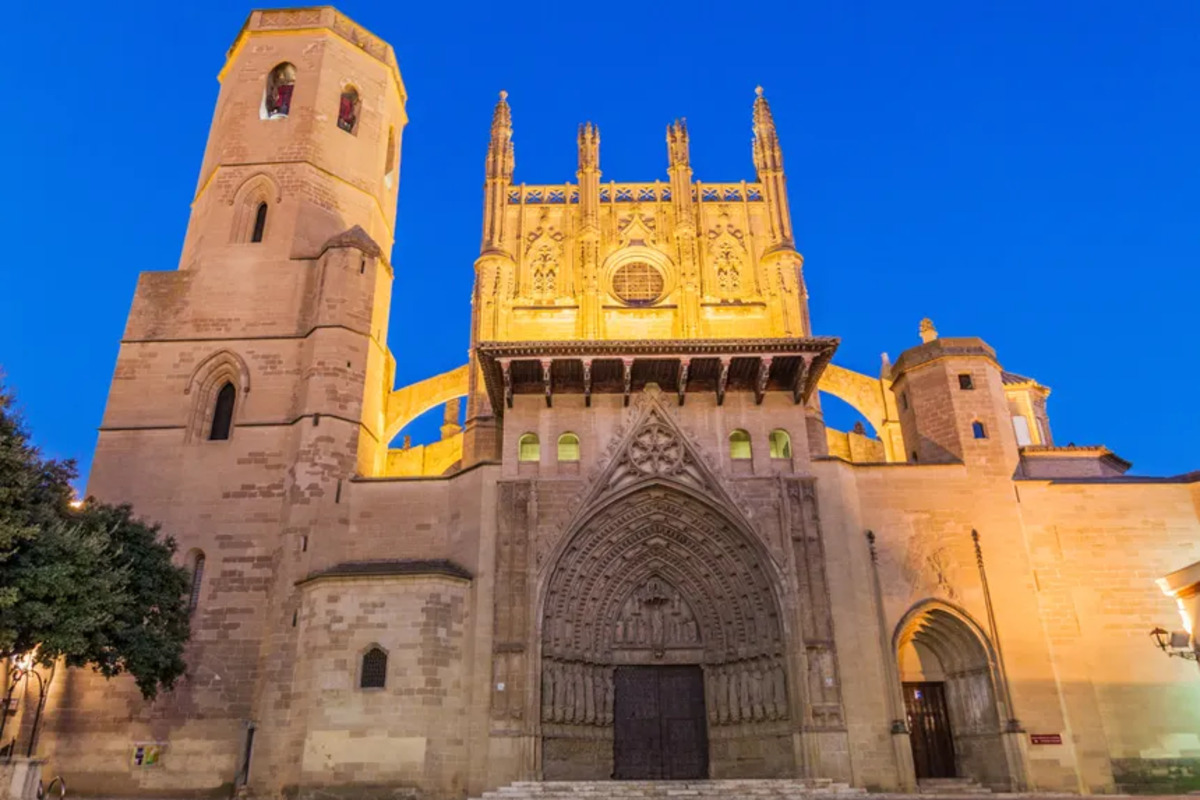
Catedral de Santa María: Catedral de Huesca was built between the 13th and 16th centuries on the site of the former main Muslim mosque of Wasqa. It is one of the main examples of Aragonese Gothic architecture and the most important religious monument in the city. Particularly noteworthy is its magnificent alabaster main altarpiece, created by Damián Forment in the 16th century and considered one of the masterpieces of the Spanish Renaissance. Its bell tower and silhouette dominate the historic centre of Huesca, making it one of the city’s cultural and heritage symbols.
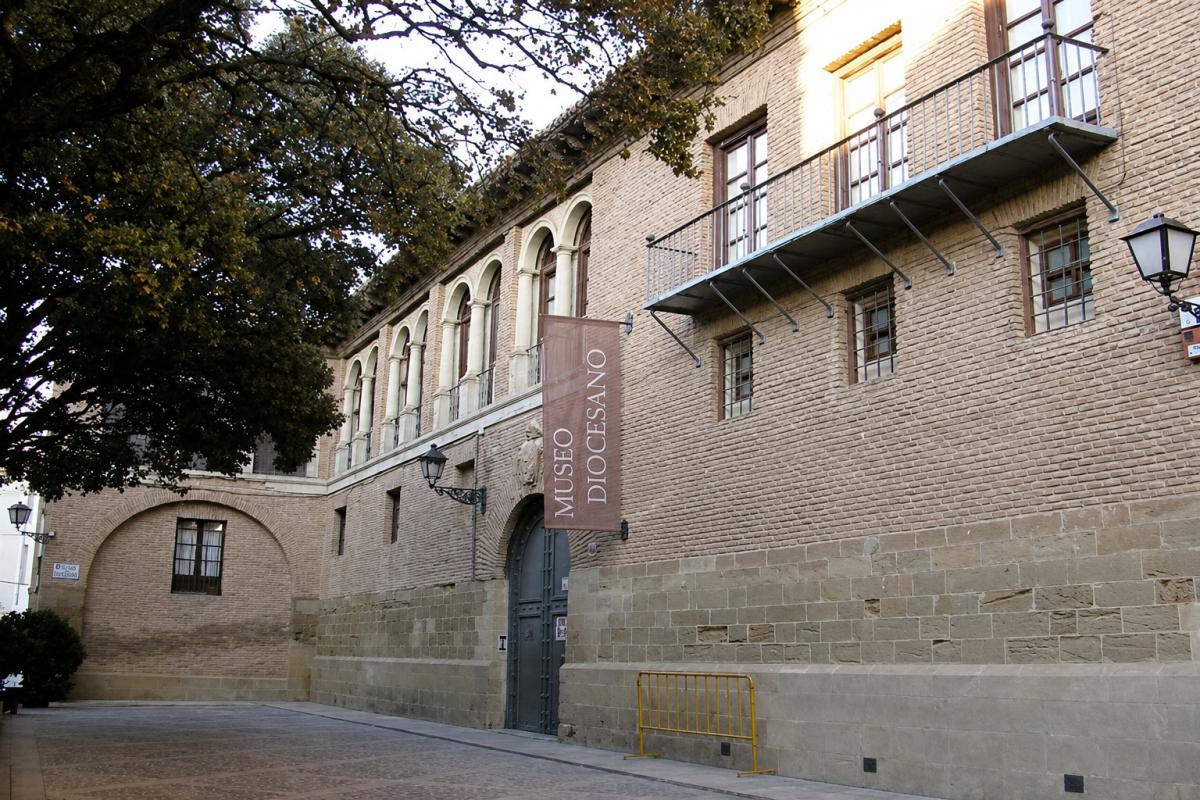
Museo Diocesano: Museo Diocesano de Huesca houses one of the most important collections of sacred art in Aragón. Located next to Catedral de Huesca, it occupies historic spaces such as the Gothic cloister, the chapter house and the Renaissance parish chapel, creating an artistic journey from the Middle Ages to the Baroque period. Founded in 1945 to preserve the so-called “Tesoro de la Catedral”, the museum brings together works from churches, monasteries and parishes throughout the Diocese of Huesca.
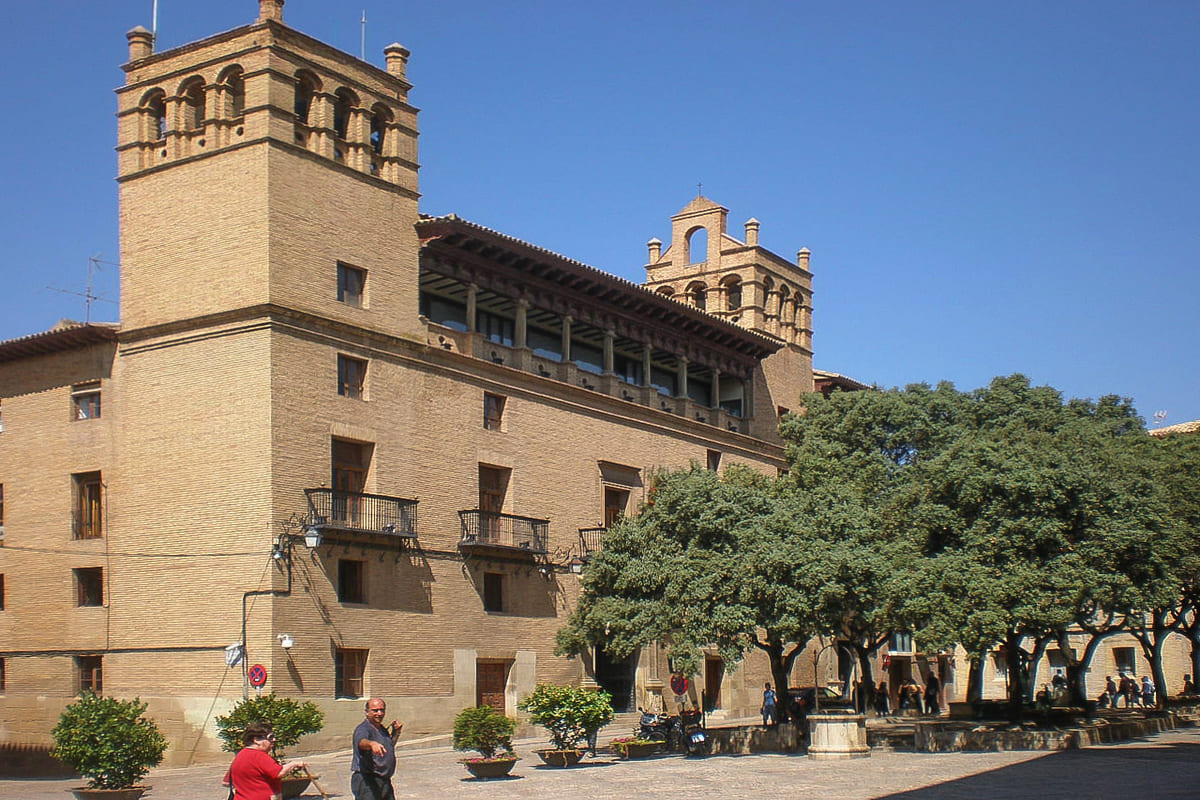
Ayuntamiento de Huesca: Ayuntamiento de Huesca is a historic building located in Plaza de la Catedral. Its origins date back to 1451. It is one of the finest examples of Aragonese Renaissance civil architecture and has been declared an Asset of Cultural Interest. Notable features include its Renaissance courtyard, Mudéjar wooden ceilings, monumental staircase and several Baroque spaces. The building reflects the artistic and political evolution of the city from the Middle Ages to the present day.
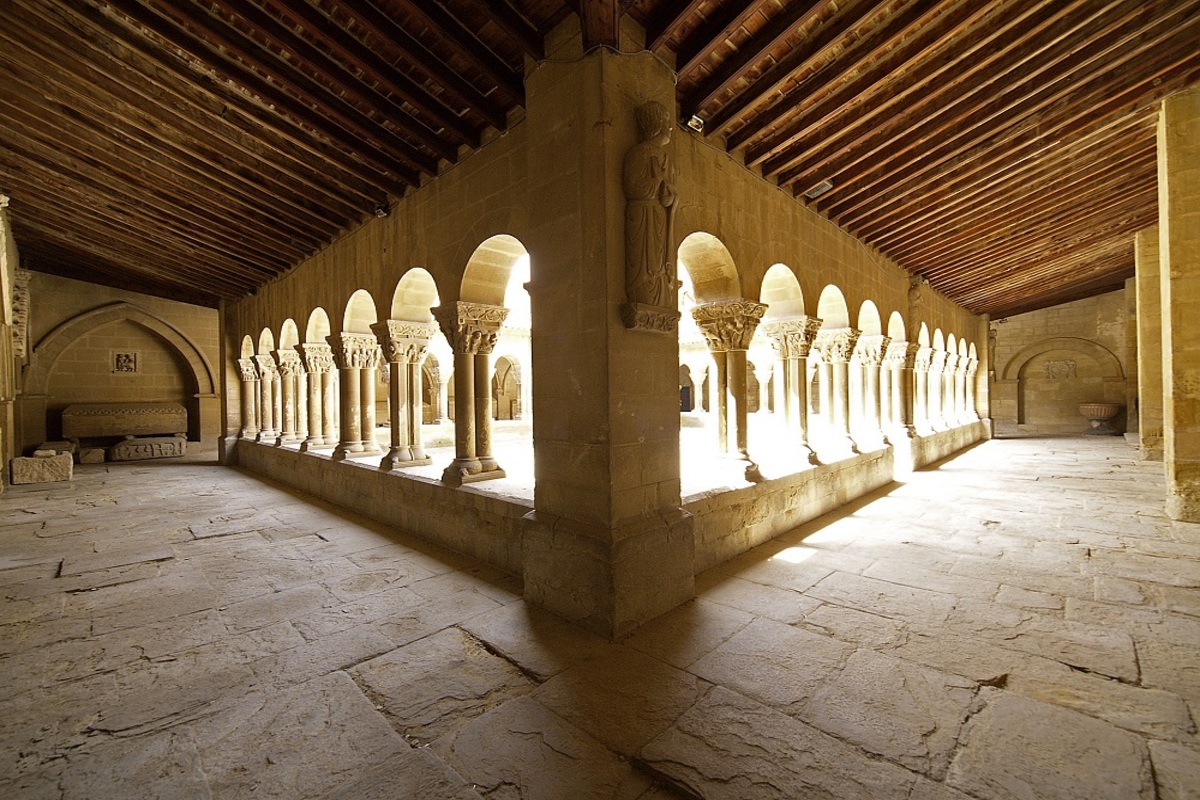
Iglesia de San Pedro el Viejo: Iglesia de San Pedro el Viejo is one of the most important Romanesque churches in Aragón. It was built in the 12th century by the Benedictine order on the site of an ancient Mozarabic monastery, after the Christian conquest of Huesca in 1096. Its Romanesque architecture stands out for the sobriety of its forms, its cloister with historiated capitals and its Lombard-inspired bell tower. Inside are the tombs of two kings of Aragón: Alfonso I el Batallador and Ramiro II el Monje. The monastic complex also preserves a remarkably well-conserved cloister, considered one of the jewels of Aragonese Romanesque art.
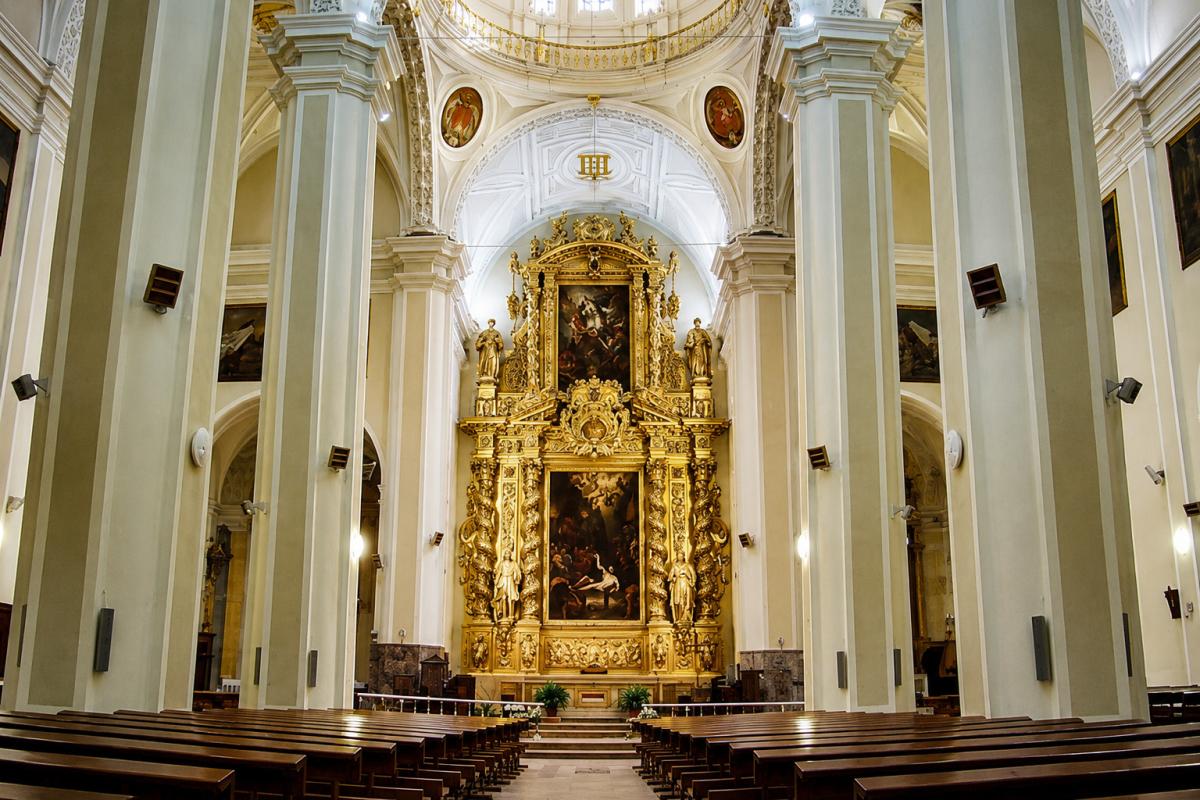
Iglesia de San Lorenzo: Iglesia de San Lorenzo is a Baroque church built in the 17th century on the site of an ancient medieval church dedicated to San Lorenzo, patron saint of the city of Huesca. Its architecture stands out for the sobriety of its exterior and the decorative richness of its interior, typical of Aragonese Baroque. The church is one of the city’s main centres of devotion and plays a leading role during the patron saint festivities held in August.